KD A platform for Knowledge Discovery
KD is a plug-in platform for equation discovery. It gives different discovery algorithms a consistent, easy-to-use interface and provides shared services such as visualization, evaluation, and experiment management, while leaving each algorithm free to implement its own search procedure.
Quick start
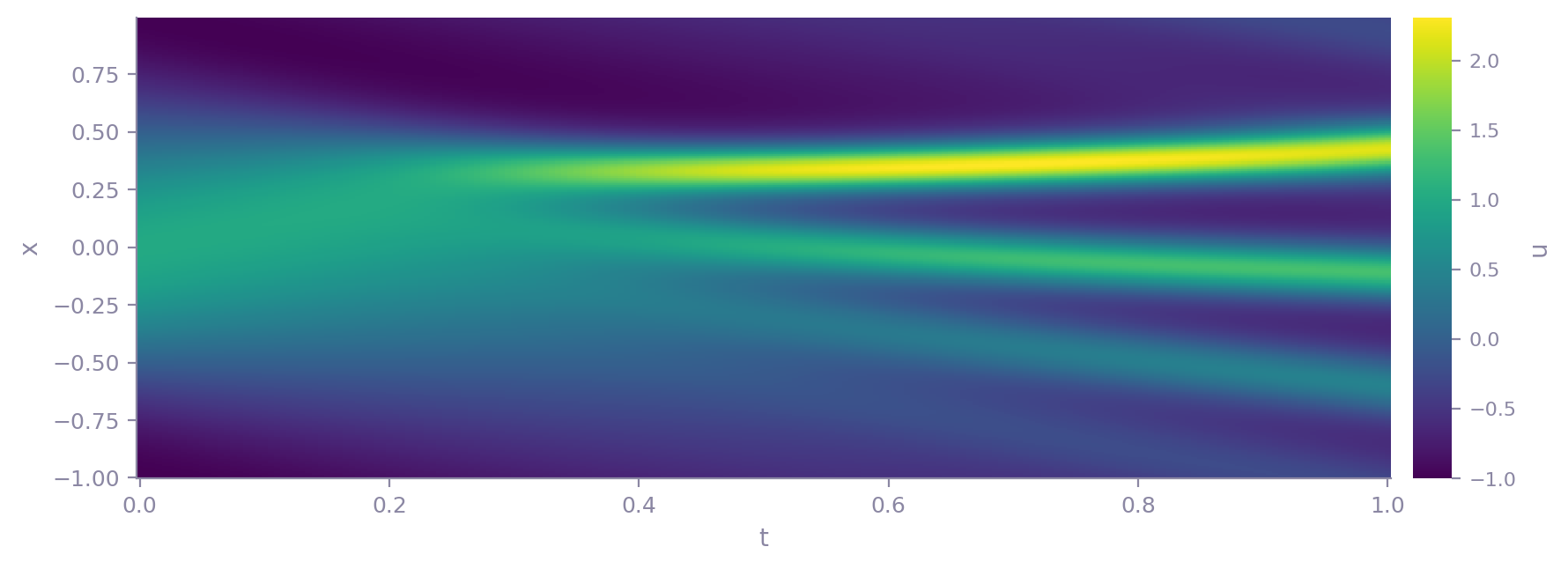
Install KD and run your first equation-discovery experiment in a few lines of Python. The example below uses a Burgers dataset bundled with KD. Follow Installation for Python environment setup, then activate the environment before running the code below.
python -m pip install sail-kd
uv venv
uv pip install sail-kd --torch-backend=auto
import kd
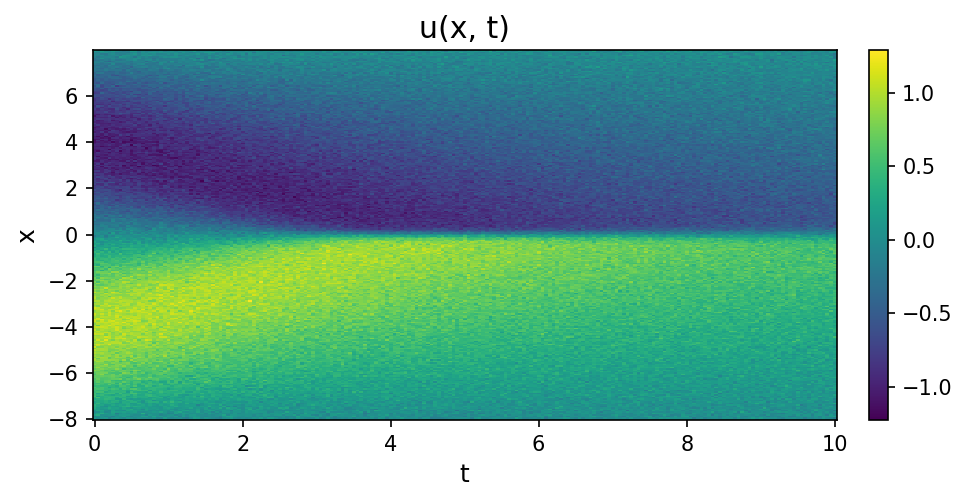
# a 256 × 201 (x, t) field; for your own arrays, PDEDataset.from_arrays
data = kd.load_burgers()

model = kd.Model(algorithm="sga", generations=5, seed=0)
model.fit(data)
Experimental controller
After installing the agent extra and configuring an endpoint:
kd-agent run --data sample.npz "Find the equation governing this data."
This experimental controller uses a language model to select and run KD algorithms, inspect their results and write a search report. See the agent example for file and bundled-dataset commands, or the controller guide for configuration and interactive use.
Examples
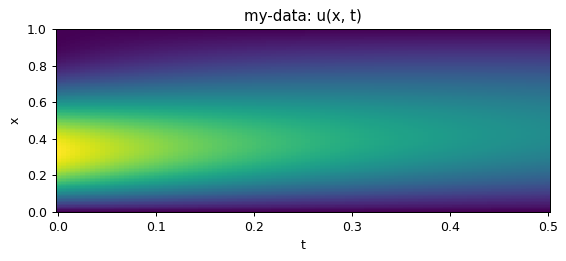
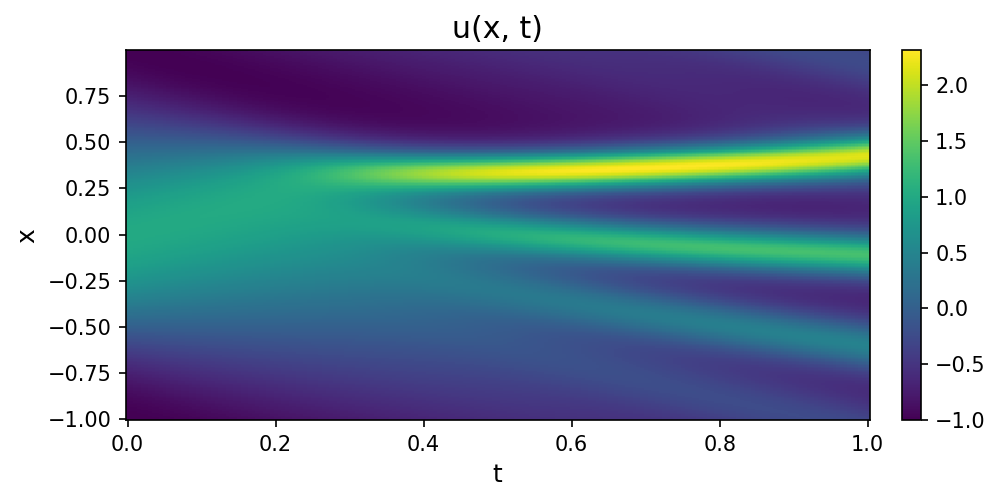
kd-agent run \
--data sample.npz \
"Find the governing equation."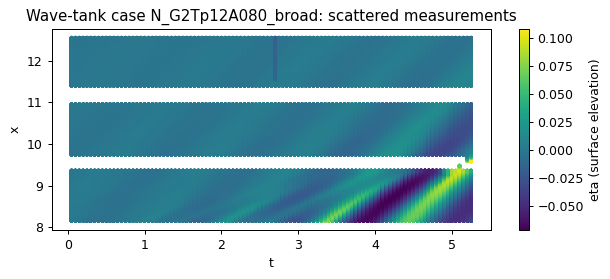
Algorithms
KD currently provides seven equation-discovery algorithms through a common interface.